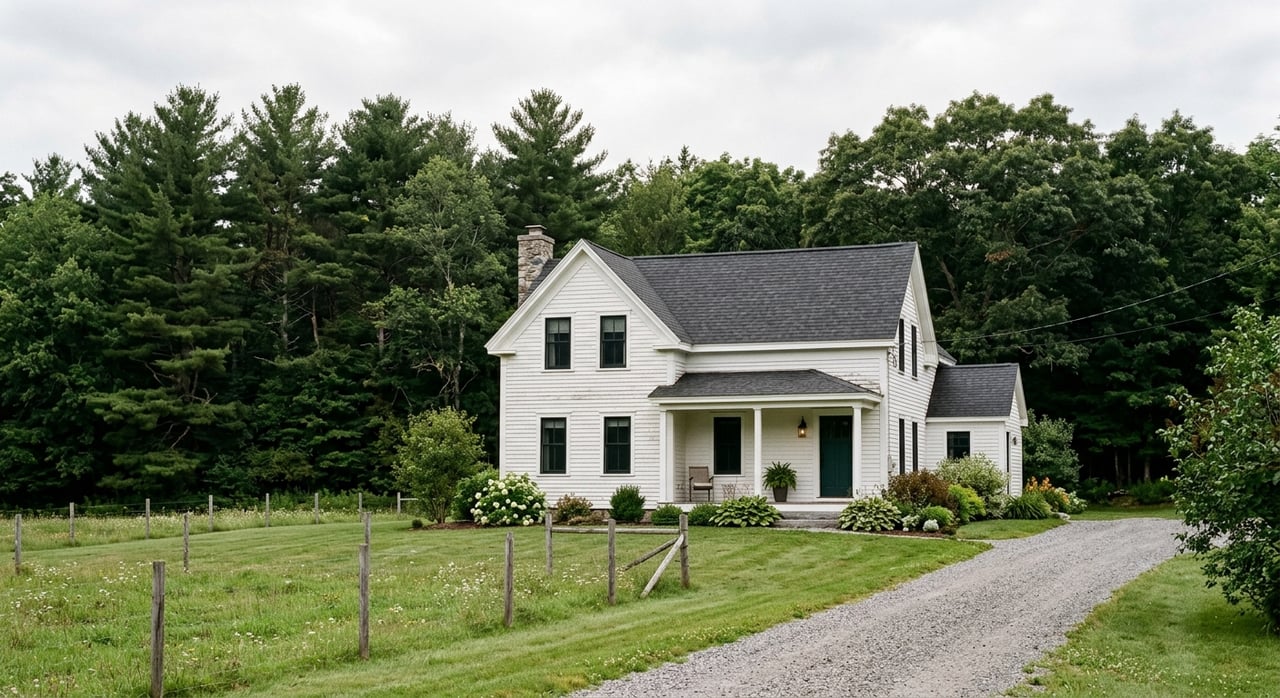
Selling Timber And Acreage Near Arkadelphia
If you are selling timberland or acreage near Arkadelphia, you are not just putting a number on land. You are pricing access, timber value, map accuracy, water features, and future use potential all at once. That can feel like a lot, but with the right preparation, you can make your property easier for buyers to understand and easier for the market to value. Let’s dive in.
Arkadelphia offers a mix that many rural buyers notice right away. The city is located along I-30, has two four-year universities, and has infrastructure that can matter when a buyer is thinking beyond timber alone.
For some buyers, your land may be about timber income or recreation. For others, it may also be about a future homesite, pasture use, or a tract with small development potential. That is one reason land near Arkadelphia often needs a more careful selling strategy than a typical vacant lot.
Clark County also gives sellers useful public-record support. The county assessor maintains current appraisal and assessment records, provides online real estate record search, and supports mapping and deed research through GIS. That makes it especially important to review your parcel details before you list.
Arkansas is also a major forestry state, with more than 18.8 million acres of forests and a forest industry contributing over $6.1 billion annually. In practical terms, that means timberland here can attract informed buyers who look closely at the actual stand, not just the acre count.
Before many buyers ask about timber value, they want to know whether the tract has clear legal access and usable frontage. They also want to understand the shape of the property and whether boundaries can be identified on the ground.
If your acreage has an irregular layout, multiple parcels, or older deed descriptions, this step matters even more. A buyer will usually feel more confident when the legal description, acreage, and mapped boundaries line up clearly.
Arkansas Extension guidance for timber sales also stresses that contracts should clearly identify the legal description and marked boundaries. That is a strong reminder to get your records in order before marketing begins.
Not all timber acres carry the same value. Buyers and timber professionals want to know what species, product classes, and volume the tract actually contains.
Arkansas Extension notes that timber marketing begins with determining volume or weight and value by product class. The Arkansas Timber Price Report can help as a starting point, but it also says local sales are influenced by tract size, tract location, product type, stem quality, and logging conditions.
That means a 40-acre tract with marketable, well-managed timber may be viewed very differently from 40 acres with younger or lower-quality timber. Acreage alone does not tell the full story.
If your property includes open ground, creek bottoms, or a mix of timber and pasture, buyers may value it based on more than one possible use. They often look at long-term flexibility, not just current conditions.
Parcel-specific features such as soil quality, rural amenity appeal, and proximity to urban areas can all influence value. A mixed-use tract near Arkadelphia may appeal to buyers seeking recreation, light agricultural use, or a future rural homesite.
Water features can add appeal, especially on recreational or rural-residential land. A pond, creek, or stream may help buyers picture fishing, wildlife, or scenic use.
At the same time, buyers also want to understand drainage, floodplain exposure, and buildability. Arkadelphia’s flood-risk map identifies Zone A, Zone AE, Zone X, and floodway areas, and the city building department includes a floodplain development permit among its forms.
If your property includes low areas, creek frontage, or riparian edges, those details should be reviewed early. Clear information helps avoid surprises later in the process.
Utility access can have a major effect on how buyers view acreage. A tract that works for recreation alone may be priced differently from one that also has realistic homesite or improvement potential.
Arkadelphia’s water department serves city residents and several nearby systems beyond city limits, and the city building department enforces zoning and construction codes. For sellers, that means utility availability and permitted use should be checked carefully rather than assumed.
A timber tract or mixed-use acreage parcel should not be priced like a generic vacant lot. Land valuation depends on physical features, location, legal controls, and what the property can reasonably support.
For example, two properties with similar acre counts may have very different value because of access, utility proximity, flood exposure, timber quality, or layout. A tract with road frontage and usable homesite areas may compete in a different buyer pool than a landlocked parcel with steep terrain.
That is why highest and best use matters. If your property has timber, pasture, water, or possible homesite appeal, the market may see several value layers that need to be weighed together.
Start with the basics. Confirm ownership, parcel numbers, acreage, and property mapping through Clark County records.
This is especially important if the sale involves multiple tax parcels, inherited land, boundary questions, or changes in land use over time. Clean records reduce confusion and help your marketing present the property accurately.
Buyers want confidence, and good mapping helps create it. Pull together deeds, legal descriptions, GIS maps, survey information if available, and any documents that help explain access or boundary lines.
If the tract is large or has unusual shape, marked boundaries on the ground can also make showings more effective. The easier it is for buyers to understand the tract, the easier it is for them to act.
If timber value is a key part of your sale, consider getting a timber inventory or forestry opinion before pricing the property. This can help you avoid overstating or understating what the market will pay.
The statewide timber price report is useful background, but it should not be treated as a stand-alone pricing tool. Local conditions and the actual timber stand matter.
If your acreage includes creeks, ponds, wetlands, or low-lying areas, review flood-hazard information and any development limitations that may apply. This is especially helpful if buyers are likely to ask about building locations or road placement.
Water can be an asset, but buyers usually respond best when they can see both the benefits and the constraints clearly.
Do not assume a buyer will sort this out alone. If the tract may appeal as a homesite, small development play, or mixed-use parcel, it helps to understand utility availability and whether local rules could affect use.
Simple clarity up front can strengthen your pricing, your marketing, and your negotiations.
Some acreage sales need more than a listing sign and photos. If your property has timber value, unusual access, water features, or several possible uses, bringing in the right expertise can protect your position.
Arkansas Extension says a consulting forester works for the landowner and can help with cruising, bidding, and negotiations. That can be especially valuable if timber value is a major part of your property’s appeal.
The Arkansas Forestry Division also provides technical assistance, management plans, sample sale contracts, market lists, and BMP guidance. For many sellers, this is one of the smartest early calls you can make.
An appraiser can be useful when your tract has mixed uses, unusual physical features, or strong differences between recreational, timber, and homesite value. Appraisal analysis can help clarify how the market may view the land in its current form.
That kind of support is often helpful when a seller wants pricing discipline rather than guesswork.
Arkansas Extension recommends that timber-sale terms be written in detail and reviewed by an attorney before signing. The Arkansas Forestry Division also recommends getting tax advice well before a sale and notes that a timber sale is a serious matter that should not be rushed.
If your transaction may involve timber proceeds, estate property, or a multi-owner tract, legal and tax review can be especially important.
If your land sale includes a timber component, the structure of that sale matters. Arkansas Extension says most timber sales should be handled as a lump-sum sale or pay-as-cut sale rather than informal share arrangements.
Extension also says the contract should cover the parties, legal description, boundaries, sale conditions, payment terms, harvest type, damage clauses, and signatures. On tracts with streams, ponds, wetlands, or riparian areas, water-quality protections should also be addressed.
Arkansas Forestry BMPs are voluntary, but Extension says landowners can and should require BMP implementation in a timber-sale or forest-management contract. Landowners remain ultimately responsible for protecting water quality.
The best-prepared sellers usually do a few things before they ever go live. They verify records, clarify access, understand flood and utility questions, and get forestry or valuation input where needed.
That preparation helps buyers compare your property with confidence. It also helps you avoid a common mistake in rural sales, which is marketing a tract on acreage alone while leaving the most important value drivers unclear.
Selling timber and acreage near Arkadelphia is often about presenting the full picture in a calm, factual way. If you want practical guidance on how your land’s access, timber, water, and use potential may affect its market position, Rita Smith and the Bluebird team bring local experience in forestry, appraisal, banking, and land-focused real estate across this part of Arkansas.



When we assist you with buying or selling, we evaluate the property and your goal as if they were our own. It’s really that simple – doing business the way it used to be done.

2905 Pine St PO Box 583 Arkadelphia, AR 71923