
Title Insurance When Refinancing Your Loan
Title and Escrow
Title and Escrow
Lower interest rates have motivated you to refinance your home loan. The lower rate may save you a tremendous amount of money over the life of the loan, but you should also expect to pay the lender the typical closing costs associated with any new loan, including service fees, points, title insurance protection and other expenses.
To the lender, a refinance loan is no different than any other home loan. So, your lender will want to insure that their new loan is protected by title insurance, just as the original lender required. Therefore, when you refinance you are buying a title policy to protect your lender.
Most lenders generate loans and then immediately sell those loans to secondary market investors, such as FannieMae.
FannieMae, in order to protect its security interest in the loan, requires title insurance coverage. Even those lenders who keep original loans in their portfolio are wise to get a lenders policy to protect their investment against title related defects.
Perhaps. Who pays for the lender’s policy on a purchase loan varies regionally and by the terms of individual contracts.
However, even if you did buy a lender’s policy when you purchased your home, the lender’s policy remains in force only during the life of the loan that was insured. If you refinance, the old loan is paid off (the “life” of the loan expires) and a new loan is issued for which the lender will require a new title insurance policy.
When you bought your home, you purchased a Homeowners title policy. The Homeowners’ policy stays in force as long as you or your heirs own the home. When you refinance, your lender will often require that you purchase a new lender’s policy to protect their new security interest in the property. Thus, you are buying a policy to protect your lender, not a new Homeowner’s policy.
Since the time that the original loan was made, you may have taken out a second trust deed on the house or had mechanic’s liens, child support liens or legal judgments recorded against you - events that could result in serious financial losses to an unprotected lender. Regardless if it has been only 6 months or less since you purchased or refinanced your home, a myriad of title defects could have occurred. While you may not have any title defects, many Homeowners do. The only way for a lender to adequately protect itself is to get a new lender’s policy each time you purchase or refinance your home.
Yes. Title companies offer a refinance transaction discount or a short-term rate. Discounts may also be available if you use the same lender for your refinance loan and your original loan. Be sure to ask your title company how they can save you money.
Article by CLTA


Discover Bluebird Real Estate's unique approach to real estate in Arkadelphia, Arkansas.

Most of the money for home loans comes from three major institutions.
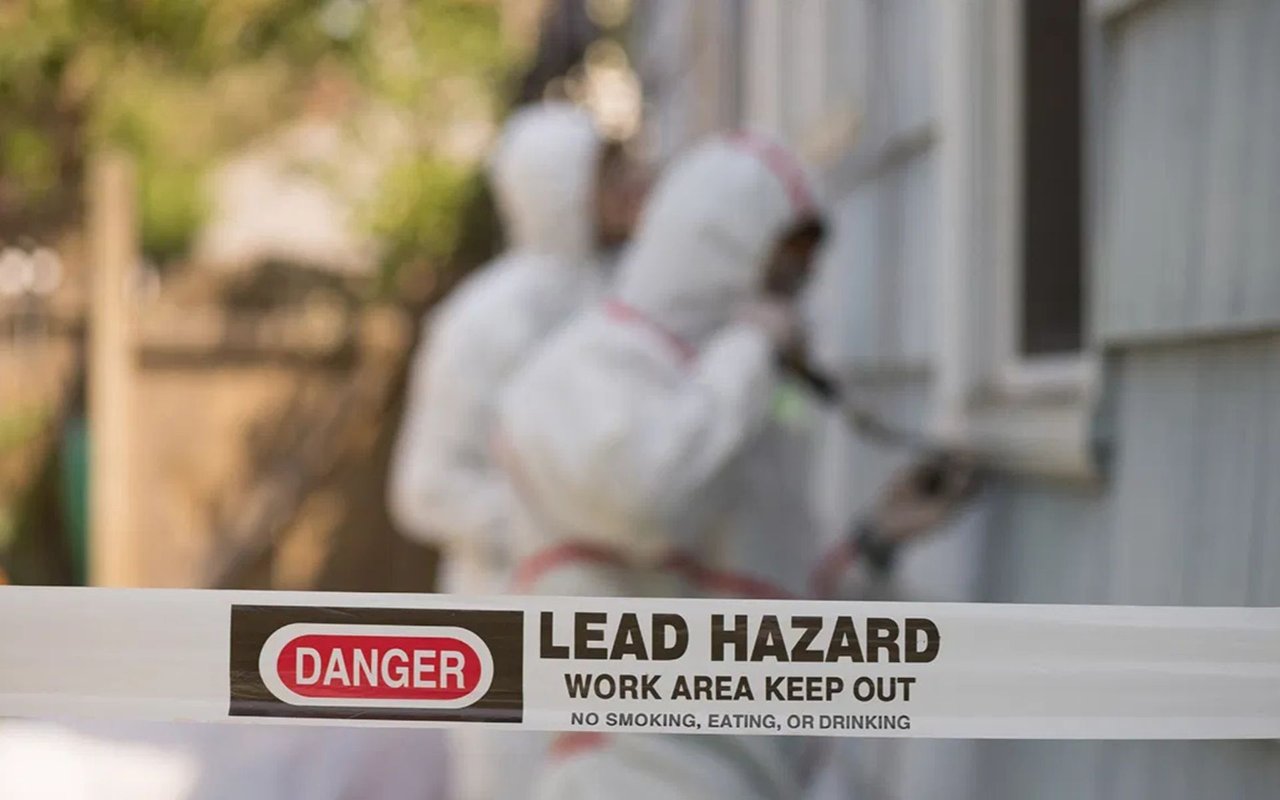
Lead poisoning is a serious problem that can lead to adverse health problems.

Make sure that your agent is loyal to you, and can negotiate to help you achieve your goals.

The housing market, like every type of market, unavoidably has its ups and downs.

Is a biweekly mortgage right for you? Explore the pros, cons, and alternatives to save money.
Understand the importance of title insurance when refinancing your home loan.

Potential problems with underground heating oil tanks for home buyers and sellers.
When we assist you with buying or selling, we evaluate the property and your goal as if they were our own. It’s really that simple – doing business the way it used to be done.

2905 Pine St PO Box 583 Arkadelphia, AR 71923